In September 2026, the BBC news presenter Maryam Moshiri went public with something she had been living with privately for nearly two years: a diagnosis of polycythaemia vera, a rare form of blood cancer. Speaking to the media, she described continuing to anchor live news through long days and major global stories, all while managing chronic fatigue and demanding treatment that few of her viewers could have guessed at.
Her openness is a valuable reminder of an important truth: serious illness is not always visible. For the care sector, and for anyone supporting older or vulnerable people, that truth carries real lessons about awareness, early detection, and the hidden ways illness affects people’s lives.
Please note: This article shares publicly reported information and general health awareness. It is not medical advice. Anyone concerned about their health should speak to their GP. For trusted information on blood cancers, organisations like Blood Cancer UK and the NHS are reliable sources.
What Maryam Moshiri Shared
According to widely reported interviews, Moshiri, a familiar face on BBC News for over two decades, revealed that she was diagnosed with polycythaemia vera (PV) after a doctor was diligent about following up on her blood tests. She has spoken candidly about working intensely demanding shifts while coping with profound tiredness, and about undergoing treatment including venesection (the controlled removal of blood) and immunotherapy to manage the condition.
Her decision to speak publicly, some two years after her diagnosis, was framed as a way of helping others understand the condition and feel less alone. In doing so, she has drawn welcome attention to a disease many people have never heard of, and to the wider reality of living and working with a long-term illness.
What Is Polycythaemia Vera?
Polycythaemia vera is a rare, slow-growing type of blood cancer, one of a group of conditions known as myeloproliferative neoplasms. In simple terms, it causes the bone marrow to produce too many red blood cells, which thickens the blood.
That thickening is the key risk. Blood that is too thick can flow less easily and is more prone to clotting, which increases the risk of serious events such as blood clots, strokes, and heart attacks. The condition is strongly associated with a change (mutation) in a gene called JAK2, and it’s usually more common in people over 60, though, as Moshiri’s case shows, it can affect younger people too.
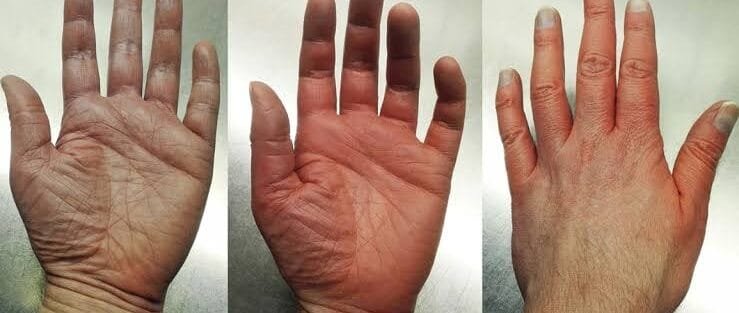
One of the most striking features of PV is that many people have few or no obvious symptoms, particularly in the early stages. Where symptoms do occur, they can include fatigue, headaches, dizziness, blurred vision, itchy skin (often after a warm bath), and shortness of breath, all of which are easy to attribute to other causes. This is precisely why the condition is so often picked up through routine blood tests rather than because someone feels unwell.
Importantly, while PV is currently considered a long-term condition that can’t be cured, it is very often manageable. With appropriate treatment, such as venesection to reduce red blood cell levels, medication, and careful monitoring, many people live full lives for many years. Effective management is the goal, and it makes an enormous difference.
The Bigger Lesson: The Power of Early Detection
Perhaps the most valuable takeaway from Moshiri’s story is the role that a simple, routine blood test played. Her condition was identified because a doctor was thorough, not because she felt seriously ill.
This is a powerful illustration of why proactive health monitoring matters so much. Many serious conditions, from PV to high blood pressure to early kidney disease, can develop quietly, with few or no symptoms, until they become dangerous. Routine checks, blood tests, and health reviews are among the most effective tools we have for catching these conditions early, when they’re most treatable.
For older and more vulnerable people in particular, this is enormously relevant. General health checks and reviews, medication reviews, and staying alert to subtle changes can all help identify problems before they escalate. It’s a reminder that prevention and early detection are not just medical ideals, they save lives and protect quality of life.
Why This Matters for the Care Sector
Stories like Maryam Moshiri’s resonate strongly in health and social care, because they highlight something care professionals see every day: illness is often hidden, and vigilance matters.
The people that care providers support, older adults, those with complex needs, people who may struggle to advocate for themselves, are often those most at risk of a serious condition going unnoticed. A good care service does far more than meet immediate needs; it stays alert to changes in a person’s health, supports them to access checks and appointments, ensures medication is properly reviewed, and works closely with health professionals to catch problems early.
This kind of proactive, health-aware, person-centred care is exactly what modern commissioning increasingly expects providers to demonstrate. When councils and the NHS commission care, they want assurance that providers will help keep vulnerable people safe and well, spotting concerns early and responding effectively. Being able to evidence that vigilance, in day-to-day practice and in tenders, is part of what marks out a high-quality provider. It’s the kind of thoughtful, whole-person care we help providers articulate in their bids, across domiciliary care, supported living, and residential and nursing care.
Awareness Saves Lives
Maryam Moshiri’s willingness to speak openly about living and working with polycythaemia vera is a genuine public service. It raises awareness of a little-known condition, reminds us that serious illness is often invisible, and underlines the life-saving value of routine health checks and early detection.
For all of us, the lesson is to take proactive health seriously, and not to ignore the quiet warning signs. And for the care sector, it’s a reminder that vigilance, awareness, and whole-person care are at the heart of keeping vulnerable people safe and well. Sometimes, the most important thing a thorough check or an attentive carer can do is catch what would otherwise go unseen.
AssuredBID works with health and social care providers across the UK, helping them win the contracts that fund high-quality, health-aware care. If you’re a care provider looking to strengthen your bids, you can book a consultation with our tender experts.